

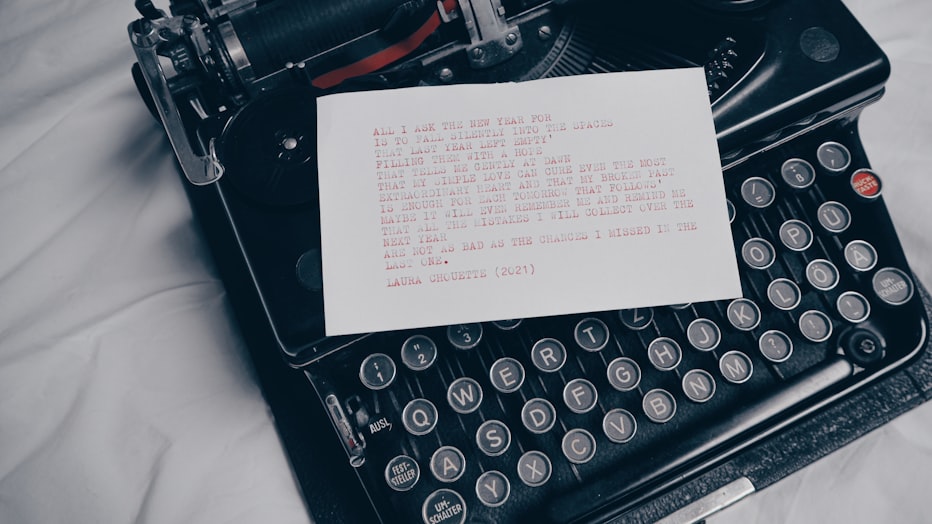
A ghostwriter is a professional writer hired to create content, such as books, speeches, articles, or scripts, that is officially credited to another person. The ghostwriter remains anonymous, receives no public authorship credit, and typically signs a confidentiality agreement that transfers all intellectual property rights to the client.
If that sounds surprising, it probably should not. The beloved Nancy Drew series was written by a rotating team of ghostwriters, not a single named author. Prince Harry’s memoir Spare was ghostwritten by J.R. Moehringer, who openly discussed the collaboration in The New Yorker. Sheryl Sandberg’s Lean In was written with the help of television writer Nell Scovell. Even JFK’s Pulitzer Prize-winning Profiles in Courage is widely attributed to his longtime speechwriter, Ted Sorensen.
Ghostwriting is not a modern shortcut or a secret kept only by celebrities. It is a centuries-old professional practice woven into the fabric of publishing, business, music, and politics. And for anyone who has a story to tell, expertise to share, or a book that has been sitting in their head for too long, understanding what a ghostwriter actually does is the first step toward making that book real.
This guide covers everything you need to know, from what ghostwriters do and who hires them, to the ethics of ghostwriting, what famous books were ghostwritten, and how to find the right person for your project. If you already know you want help and are ready to explore your options, our professional ghostwriting services are a strong starting point.
What Does a Ghostwriter Actually Do?
Understanding what a ghostwriter does requires looking beyond the writing itself, because writing is actually the last phase of the process, not the first.
When a ghostwriter takes on a project, they begin by spending significant time getting to know the client. This means structured discovery sessions where the ghostwriter asks thoughtful questions about your goals, your audience, your message, and the story you want to tell. For a full-length book, this phase alone can involve anywhere from 20 to 40 hours of conversation before a single word of the manuscript is written.
From there, the ghostwriter moves into research. They read everything you have written before, study how you speak in interviews or presentations, and build a clear picture of your voice, your vocabulary, and your rhythm. This is the skill that separates a great ghostwriter from a decent one: voice-matching. The finished manuscript should read as if you sat down and wrote every word yourself.
Once the research and interviews are complete, the ghostwriter builds a detailed chapter outline and gets your approval before drafting begins. This structure ensures both parties agree on direction before the real work starts. The drafting phase produces the full manuscript, which is then revised across two or three rounds of feedback until it reflects exactly what you want to say and how you want to say it.
A good way to think about it is this: a ghostwriter is like an architect who designs a house according to your specifications. You decide the rooms, the layout, the style, and the feeling you want when you walk in. They make sure the structure is sound, the flow works, and the finished result is something you are genuinely proud of.
Beyond books, ghostwriters work across a wide range of content, including speeches, screenplays, blog posts, song lyrics, academic papers, and social media content. The principle is always the same: your ideas, your voice, your name. Their craft.
Types of Ghostwriting: What Can a Ghostwriter Write?
Ghostwriting covers far more ground than most people realize. Here is a breakdown of the most common project types.
Book Ghostwriting (Memoir, Biography, Nonfiction, Fiction)
Books are the most in-demand and highest-value ghostwriting category. Memoir and biography sit at the top of the list, largely because they require the deepest collaboration between writer and client. A memoir ghostwriter needs to capture not just your story but your voice, your emotional truth, and the specific way you see and describe the world. If you have a personal story worth sharing, professional memoir writing services can help you tell it in a way that resonates with readers.
Nonfiction ghostwriting, covering categories like business, self-help, personal development, and professional guides, makes up the second biggest segment of the market. Fiction ghostwriting ranges from fast-paced genre novels like romance and thriller all the way to complex literary or science fiction projects.
Business and Corporate Ghostwriting
CEOs, founders, and executives hire ghostwriters for business books, thought leadership articles, LinkedIn content, white papers, and keynote speeches. The goal is to establish authority and build a personal brand without spending hundreds of hours writing. A well-positioned business book can generate speaking invitations, consulting clients, and media coverage that far outweigh the investment. More on the opportunity cost argument in a moment.
Speech and Scriptwriting
Political speeches, keynote presentations, award acceptance scripts, and podcast intros all fall under this category. Speechwriters have been part of public life for centuries, and working with a professional speech writing service for high-stakes moments is a completely standard and accepted practice.
Blog and Article Ghostwriting
This is the most accessible entry point into ghostwriting. Entrepreneurs, coaches, healthcare professionals, and business owners regularly hire writers to produce blog posts and articles under their name. The content strategy belongs to the client; the execution belongs to the ghostwriter. It is one of the most efficient ways to maintain a consistent online presence without sacrificing the time needed to run a business.
Song Lyrics and Music Ghostwriting
Music ghostwriting is one of the most talked about and least officially acknowledged forms of the craft. Many chart-topping songs have been written by uncredited ghostwriters. Frank Ocean, before his own career took off, ghostwrote songs for Beyoncé (I Miss You), Alicia Keys (One Thing), and John Legend (Quickly). In hip-hop especially, ghostwriting has been a subject of open debate, but its practice spans virtually every genre.
Academic and Scholarly Ghostwriting
It is worth being clear here: ghostwriting essays, theses, or dissertations that are submitted for grades or academic credit is considered unethical by most institutions and violates academic honor codes. This is the one context where ghostwriting raises a genuine ethical question, and it is worth distinguishing clearly from every other category on this list.
Social Media and Digital Content Ghostwriting
An increasingly popular category, particularly for executives and public figures who need a consistent presence on LinkedIn, X (formerly Twitter), or in email newsletters. Monthly retainers for this type of work typically run from $500 to $,000 depending on the platform, frequency, and level of strategic involvement.
Who Hires a Ghostwriter, and Why?
One of the most common misconceptions about ghostwriting is that it is only for famous people with big budgets. In reality, ghostwriters are hired across a remarkably wide range of clients, and the reasons for doing so are more practical than most people expect.
Celebrities and Public Figures
Celebrities often have extraordinary stories to tell but genuinely lack the time, writing skill, or patience required to produce a full manuscript. This is not a criticism. Being a skilled performer, athlete, or politician has nothing to do with being a skilled writer, and there is no reason it should. Prince Harry, Elton John (Me), and Keith Richards (Life) all worked with professional writers to get their stories on the page. Their experiences were entirely their own. The ghostwriter’s job was simply to give those experiences the shape and language they deserved.
Business Leaders and Entrepreneurs
For a CEO or founder, a published book is one of the most powerful tools available for building authority. Richard Branson, Sheryl Sandberg, and countless other business leaders have used ghostwriters or collaborative writers to produce books that define their public profile. The opportunity cost argument is straightforward: a founder who spends 400 hours writing a book instead of running their business is making a very expensive trade-off. Hiring a ghostwriter is not laziness. It is good judgment about where your time and energy create the most value.
First-Time Authors
Many people sitting on a genuinely important story or a genuinely useful idea have simply never written a book before. They do not know how to structure a manuscript, they are not sure how long each chapter should be, and the thought of 60,000 words feels paralyzing. A ghostwriter brings the process, the structure, and the craft. The ideas, the story, and the expertise all belong to the author. The ghostwriter is the professional who knows how to build a book from them.
Thought Leaders and Professionals
Doctors, lawyers, therapists, consultants, and subject-matter experts regularly use ghostwriters to translate their specialized knowledge into accessible books and articles. Their thinking is entirely original and often deeply valuable. The challenge is making it readable and engaging for a broad audience who may not share their technical background. A ghostwriter bridges that gap.
Publishers and Content Companies
Publishers sometimes commission ghostwritten books in high-demand categories, particularly series fiction and rapid-release genre novels. Content agencies use ghostwriters to produce branded blog series, white papers, and long-form guides at scale. The content industry runs on ghostwriting in ways that most readers never think about.
Famous Books Written by Ghostwriters
If you have ever felt uneasy about the idea of hiring a ghostwriter, this section might change your perspective. Some of the most celebrated, widely read, and culturally significant books in modern publishing were written with significant ghostwriting support.
Spare by Prince Harry was ghostwritten by J.R. Moehringer, the Pulitzer Prize-winning author of The Tender Bar. The memoir became one of the fastest-selling nonfiction books in UK history, with 400,000 copies sold across all formats on its first day of release.
Lean In by Sheryl Sandberg was written with Nell Scovell, a television writer and contributor to publications like Vanity Fair and Rolling Stone. The book became a defining work on women in the workplace and spent years on bestseller lists.
The Art of the Deal credits Donald Trump as its author, but ghostwriter Tony Schwartz spent 18 months on the project, conducting interviews and doing the bulk of the actual writing. Schwartz has since spoken publicly and extensively about his experience with the collaboration.
Profiles in Courage, which won the Pulitzer Prize and is credited to Senator John F. Kennedy, is widely believed to have been largely written by his longtime speechwriter and aide Ted Sorensen. Sorensen confirmed his role decades later in his own autobiography.
American Sniper by Chris Kyle was written with Scott McEwan and Jim DeFelice. The book became the bestselling American military memoir of the 21st century and was adapted into an Oscar-nominated film by Clint Eastwood.
Nancy Drew is perhaps the most famous example of book packaging in publishing history. The name Carolyn Keene on the cover is a pen name shared by multiple ghostwriters across decades. There is no single author named Carolyn Keene.
Goosebumps by R.L. Stine is widely believed to have involved ghostwriters to maintain the extraordinary pace of two books per month at the peak of the series. To this day, the identities of those writers remain unknown.
The 7 Habits of Highly Effective People by Stephen Covey was written with Ken Shelton, and the collaboration produced one of the best-selling business books ever published.
Even Alexandre Dumas, whose name graces The Count of Monte Cristo and The Three Musketeers, reportedly employed a team of collaborators and ghostwriters to produce his extraordinarily prolific output.
The point is not to diminish any of these works. They are remarkable books. The ideas, the experiences, and the vision behind each of them genuinely belonged to the credited author. The ghostwriters gave those things their best possible form. As Kevin Anderson of Kevin Anderson and Associates put it: “The content, ideas, and concepts for ghostwritten books come directly from the client. A ghostwriter is an interpreter and a translator, not an author.” For more examples, Reedsy has a fascinating collection of surprising ghostwritten books in publishing history.
Ghostwriter vs. Co-Author: What Is the Difference?
This is one of the most common points of confusion for people new to the publishing world, and the distinction matters if you are considering working with a writer yourself.
| Ghostwriter | Co-Author | |
| Credit | None, fully anonymous | Named on the cover |
| Contract | NDA plus full IP transfer | Collaborative agreement |
| Ownership | Client owns all rights | Shared or negotiated |
| Public recognition | Typically zero | Fully public |
| Compensation | Flat fee in most cases | Fee plus possible royalties |
A co-author is a named writing partner. Their name appears on the book cover, usually alongside the primary author’s name. They share in the public recognition and often negotiate a share of royalties as part of their compensation.
A ghostwriter, by contrast, remains entirely behind the scenes. Their name appears nowhere on the finished work, and the contract explicitly prevents them from disclosing their involvement without the client’s permission.
There is also a middle ground worth knowing about: the “as told to” credit, where the ghostwriter’s name appears on the cover in smaller text beneath the primary author’s name. The Autobiography of Malcolm X, as told to Alex Haley is the most famous example of this format. Some ghostwriters are also listed in the acknowledgments as a “contributor” or “researcher” without receiving full co-author status. The exact arrangement is always determined and documented in the contract before work begins.
Is Ghostwriting Legal and Ethical?
The straightforward answer is yes, ghostwriting is completely legal and widely accepted across publishing, business, politics, and entertainment.
To understand why it is ethical, it helps to look at what plagiarism actually means. Plagiarism is the act of taking someone else’s existing work without their knowledge or consent and presenting it as your own. Ghostwriting is the opposite of that. In a ghostwriting arrangement, the credited author commissions and directs the creation of original content, pays for it, and enters into a legal agreement that transfers full ownership to them. They are not taking anything from anyone. They are investing in the professional craft of someone who can give their ideas the form they deserve.
Is hiring a ghostwriter cheating? In the publishing, business, and content world, no. It is a professional service used by some of the most respected names in literature, politics, and business. The only context where ghostwriting raises a legitimate ethical question is academic work, specifically submitting a ghostwritten essay or dissertation for a grade or credential. Most institutions explicitly prohibit this, and rightly so. But this is a narrow and specific exception to a practice that is otherwise entirely above board.
It is also worth noting that ghostwriting has been around, in one form or another, for centuries. As Wikipedia’s overview of ghostwriting history details, composers including Wolfgang Amadeus Mozart were paid to write music for wealthy patrons who would receive credit for the work. Political speechwriters have been a standard fixture of governance since ancient Greece and Rome. Papal encyclicals have been drafted by ghostwriters. The practice is not new, and its longevity is itself a kind of proof that it serves a genuine and respected function in how we communicate and create.
Your story is real. Your expertise is real. Your ideas are yours. A ghostwriter simply helps you express them in the most compelling way possible.
What Is a Ghostwriting Confidentiality Agreement?
Before any professional ghostwriting project begins, both parties should sign a formal contract. At the heart of that contract is the non-disclosure agreement, commonly called an NDA, which protects the client’s anonymity and establishes clear ownership of the finished work.
Here is what a standard ghostwriting contract typically covers:
Non-disclosure clause: The ghostwriter agrees not to publicly identify themselves as the writer of the project, not to discuss the contents of the work, and not to reference their involvement in any public portfolio or marketing without the client’s written permission.
Intellectual property transfer: All copyright and ownership of the manuscript transfers fully and exclusively to the client upon final payment. The ghostwriter retains no rights to the work.
Scope of work: A clearly defined description of the project, including the target word count, key topics, agreed deliverables, and the overall timeline.
Payment schedule: Most professional ghostwriters use milestone-based payments, typically structured as 50% on signing, 25% on delivery of the first complete draft, and the remaining 25% before final approval and completion.
Revision policy: The number of included revision rounds (usually two or three) and the process and cost for requesting additional revisions beyond those included.
A well-drafted agreement protects both parties and ensures the working relationship runs smoothly. Never begin a ghostwriting project without a signed contract in place, regardless of how trustworthy or enthusiastic either party feels at the start of the conversation. For high-profile or celebrity projects, ghostwriting NDAs can be substantial legal documents with serious financial penalties for any breach of confidentiality.
What Makes a Good Ghostwriter? Key Qualities to Look For
Not every talented writer makes a great ghostwriter. The skills required are specific, and knowing what to look for before you hire someone can save you significant time, money, and frustration.
Voice-Matching Ability
This is the most important skill in ghostwriting, bar none. A truly skilled ghostwriter can disappear entirely into your voice, capturing your rhythm, your vocabulary, your sense of humor, and your emotional register so completely that even people who know you well cannot tell you did not write it yourself. When reviewing a potential ghostwriter’s portfolio, look specifically for work that sounds like multiple different people, because that is the sign of a real voice chameleon.
Active Listening and Interviewing Skills
Ghostwriting begins long before the first word is typed. A skilled ghostwriter knows how to ask questions that draw out stories the client has never articulated before, how to sit comfortably in silence while a client searches for the right memory, and how to identify the emotional core of a narrative from a conversation rather than a brief. This is a distinct skill set that has very little to do with writing itself.
Research Capability
For nonfiction, business books, and memoirs, research is an essential part of the process. A professional ghostwriter should be able to fact-check claims, find relevant supporting evidence, conduct additional interviews where needed, and weave all of that into a narrative that feels seamless and authoritative.
Structural Thinking
A compelling manuscript is not just well-written prose. It is a well-built architecture of ideas, arranged in an order that draws the reader forward and delivers a satisfying experience from beginning to end. Look for ghostwriters who can talk intelligently about chapter structure, narrative arc, pacing, and how to organize complex information for a general reader.
Professionalism and Process
A professional ghostwriter operates with the same level of process and accountability you would expect from any serious service provider. They use contracts. They communicate proactively. They offer a paid trial chapter or sample before you commit to the full project. They have a clear timeline and milestone structure. These are not optional extras; they are signs that you are working with someone who takes their craft and their client relationships seriously.
How Much Does It Cost to Hire a Ghostwriter?
Ghostwriting fees vary widely depending on the project type, the writer’s experience, and the scope of work involved. Here is a quick reference to orient you:
- Blog posts: $150 to $300 per post
- Short eBooks: $500 to $2,000
- Full nonfiction book: $2,500 to $10,000+
- Memoir ghostwriting: $3,000 to $8,000+
- Per word rates: $0.10 to $0.50 or more
- Per hour rates: $25 to $150 per hour
These ranges exist because there is an enormous difference in skill, experience, and output quality between a new freelance writer and a professional with multiple published bestsellers to their name. For a thorough breakdown of every pricing model, experience tier, and project type, our complete guide to ghostwriter pricing covers everything you need to know before you hire.
If you are ready to talk through what a project might look like for your specific book idea or content goal, get a free consultation with our team and we can help you figure out the right scope, the right writer, and the right budget.
How to Find and Hire the Right Ghostwriter
Knowing what ghostwriting is and what it costs is one thing. Knowing how to actually find a great ghostwriter is something else entirely.
There are several routes worth considering. Freelance platforms like Upwork and Fiverr offer access to a large pool of writers at accessible price points, though quality varies significantly and vetting takes time. Reedsy is a curated marketplace with a higher bar for entry, where all ghostwriters are vetted for publishing credentials and experience. Ghostwriting agencies offer a managed, full-service experience with project oversight built in, which is particularly valuable for book-length projects where you want accountability and quality control throughout the process.
Referrals from published authors in your industry are also one of the most reliable ways to find a genuinely skilled ghostwriter. If you respect someone’s book and suspect they may have worked with a ghostwriter, it is worth asking directly. The publishing world is more open about these collaborations than it used to be.
Whatever route you take, there are a few things you should always do before committing to a writer. Ask for a verifiable portfolio, including book credits or references you can check. Request a paid sample chapter so you can evaluate voice fit before investing in the full project. Make sure any professional agreement includes an NDA, clear IP transfer terms, a milestone payment structure, and a defined revision policy. And pay attention to the chemistry: a ghostwriting relationship involves sharing personal stories, vulnerable experiences, and sometimes deeply private information. You need to feel genuinely comfortable with this person.
Red flags to watch for include demands for full payment upfront, no written contract offered, no published portfolio to share, and promises of unrealistically fast turnaround on book-length work. Quality ghostwriting takes time, and anyone who tells you otherwise should be questioned carefully.
For a clear picture of how a professionally managed ghostwriting project works from first call to final manuscript, explore our ghostwriting process in detail.
Frequently Asked Questions About Ghostwriting
An author is the person publicly credited for a work, with their name on the cover. A ghostwriter writes the content but receives no public credit. The ideas, story, and expertise always belong to the credited author. The ghostwriter provides the writing craft, structure, and process that turns those ideas into a finished manuscript. In every meaningful sense, the client remains the true author of the work.
Is hiring a ghostwriter cheating?
In publishing, business writing, and professional content creation, no. Ghostwriting is a legal, widely accepted, centuries-old profession used by some of the most respected authors, executives, and public figures in the world. It only becomes ethically problematic in academic settings where submitting ghostwritten work for a grade or credential violates institutional honor codes. Outside of academia, ghostwriting is a professional service, not a shortcut.
Do ghostwriters get credit for their work?
Typically, no. Most ghostwriters work anonymously under a non-disclosure agreement and receive no public credit. Some are listed in acknowledgments as a contributor or researcher. Occasionally, a ghostwriter receives co-author credit with their name on the cover, but this is the exception rather than the rule. The arrangement is always documented in the contract before work begins.
What famous books were ghostwritten?
Many iconic books have ghostwriting behind them. Prince Harry’s Spare was written by J.R. Moehringer. Lean In by Sheryl Sandberg was written with Nell Scovell. The Art of the Deal was ghostwritten by Tony Schwartz. Profiles in Courage was largely written by Ted Sorensen. American Sniper was written with Scott McEwan and Jim DeFelice. The Nancy Drew series and Goosebumps were both products of ghostwriting teams. According to the Association of Ghostwriters’ 2025 industry report, demand for professional ghostwriting continues to grow year over year.
How long does it take a ghostwriter to write a book?
Standard timelines for a full-length book run between four and nine months, depending on the manuscript length, research requirements, and the depth of collaboration involved. Rush projects can be completed in six to eight weeks in some cases, but they typically come with a surcharge of 25 to 50 percent above the standard rate.
Who owns the copyright when a ghostwriter writes a book?
The client owns the copyright completely. This is established in the ghostwriting contract and confirmed upon final payment. The ghostwriter transfers all intellectual property rights to the client and has no legal claim to the work after the agreement is fulfilled.
Can a ghostwriter write in my voice?
Yes, and voice-matching is one of the defining skills of a professional ghostwriter. They achieve this through extended discovery sessions, reviewing your existing writing and past interviews, studying the way you speak and structure your thoughts, and drafting sample content that gets refined through your feedback. A skilled ghostwriter’s goal is for the finished manuscript to sound so authentically like you that even people close to you cannot tell you did not write it yourself.
What is ghostwriting in music?
Music ghostwriting means a writer creates song lyrics, melodies, or complete songs for a performer who receives public credit. It is common across pop, hip-hop, country, and R&B. Frank Ocean ghostwrote for Beyoncé, Alicia Keys, and John Legend before focusing on his own career. Many of the biggest chart hits of recent decades were written, at least in part, by uncredited ghostwriters.
Is ghostwriting the same as plagiarism?
No. Plagiarism means taking someone else’s existing work without their knowledge or consent. Ghostwriting is a commissioned, contracted service where original content is created on behalf of a paying client who directs and owns the entire process. There is nothing secret or deceptive about it between the parties involved. The client chooses and commissions the work, the ghostwriter produces it, and the resulting intellectual property belongs entirely to the client.
How do I know if I need a ghostwriter?
If you have a story, an expertise, or a message that deserves to be published but the process of writing it yourself feels overwhelming, time-prohibitive, or simply outside your skill set, a ghostwriter is worth serious consideration. The clearest sign is this: if the book would exist and reach readers with a ghostwriter’s help, but would remain unwritten without it, then the ghostwriter is not taking anything away from the work. They are the reason it exists at all.
Final Thoughts
A ghostwriter is not a shortcut. They are a collaborator, a craftsperson, and in many cases the professional who makes the difference between a book that exists and one that never gets written.
The history of ghostwriting is the history of great storytelling. The stories behind the world’s most celebrated memoirs, business books, and public speeches did not become powerful because of who typed the words. They became powerful because the ideas, experiences, and perspectives behind them were genuine, and someone had the skill to give those things the form they deserved.
If you have been sitting on a book idea, a story that needs to be told, or expertise that the world genuinely needs access to, the first step is simply a conversation. Explore our full range of ghostwriting services to see what is possible, or contact us today to talk through your project with someone who can help you figure out exactly what the path forward looks like for you.
Your story is worth telling but let’s tell it in a great way.
